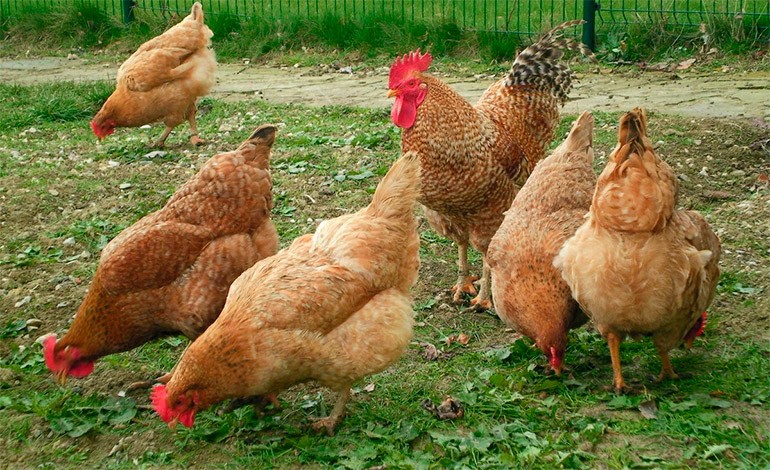
This activity obtains different products from animals such as meat, milk, wool, fur and eggs.
The main types of livestock are:
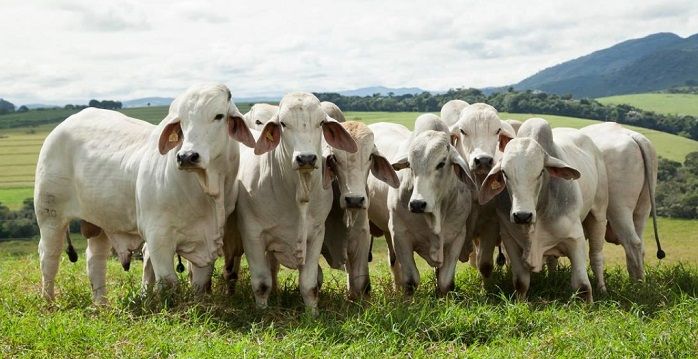
1 CATTLE : COWS, OXEN, BULLS, BUFFALO, ZEBU (MILK – DIARY PRODUCTS – FUR)

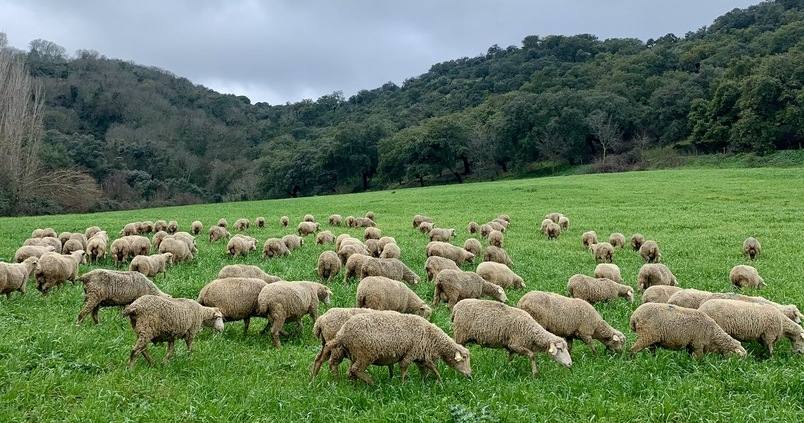
2. GRAZING ANIMALS: SHEEP AND GOATS (MILK- CHEESE- WOOL) SHEEP FARMING

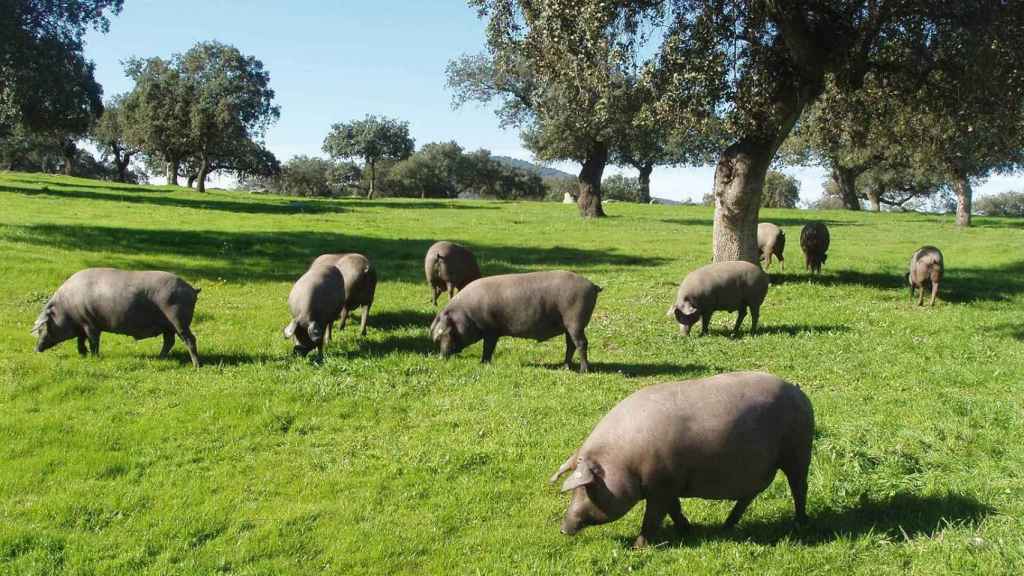
3. PIGS

4. EQUINE HORSES, MULES AND OTHER EQUINES – WORK(RIDING AND TRACTION) RECREATION(RIDING/RACING), FUR, MEAT.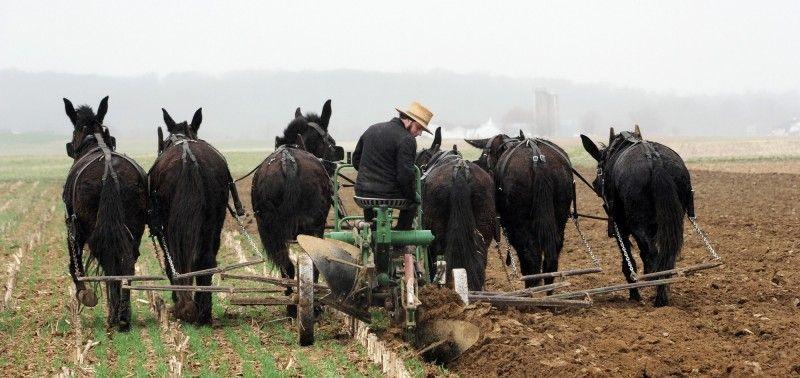
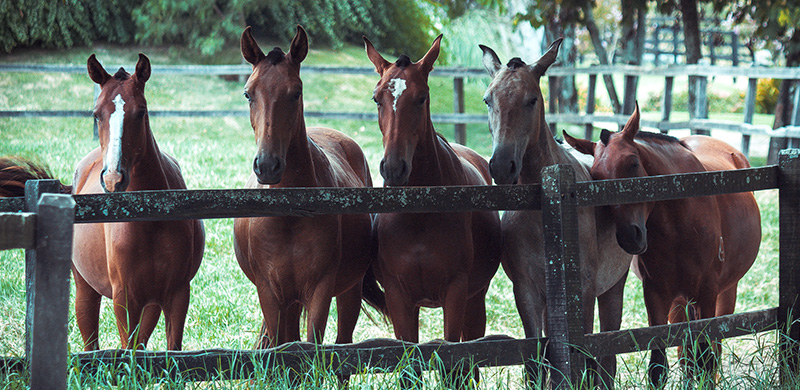
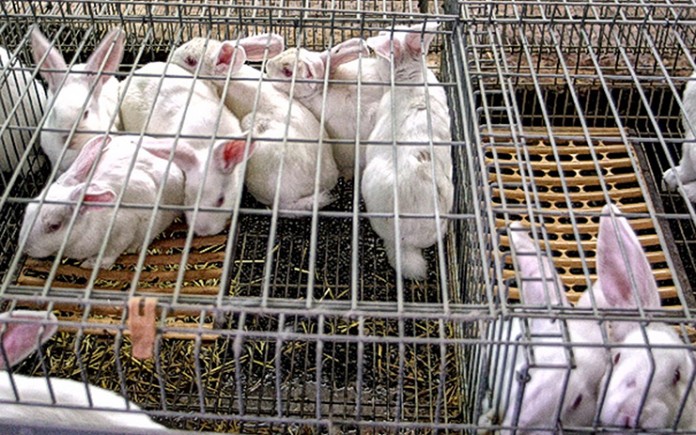
5. CUNICULTURE OR RABBIT BREEDING – MEAT /FUR/PETS


6. POULTRY (HENS, CHICKENS, DUCKS, TURKEYS) – MEAT/ EGGS/ FEATHERS


7. APICULTURE OR BEEKEEPING (HONEY , BEEWAX)


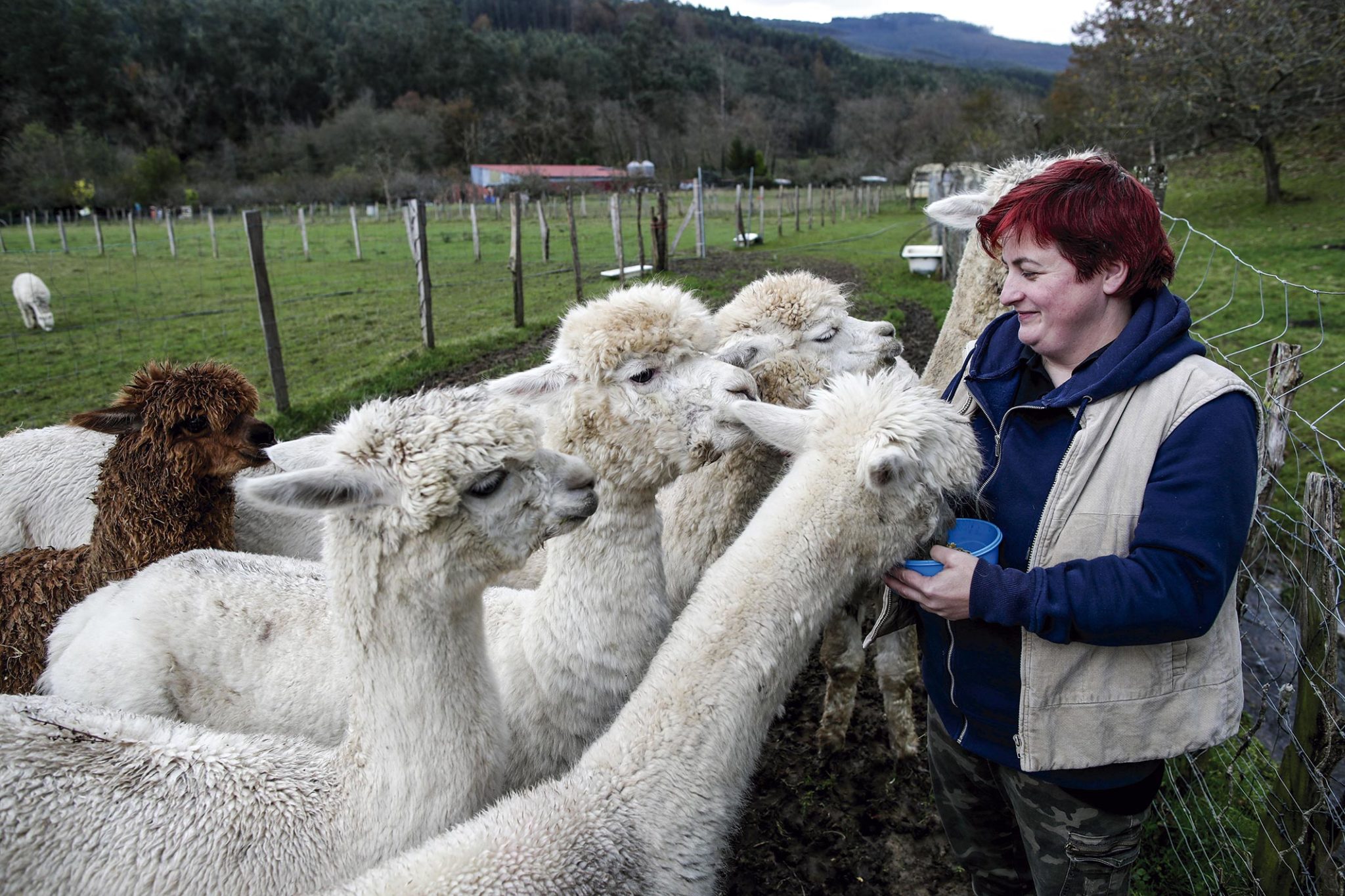
8 CAMELIDS (CAMELS , ALPACAS AND LLAMAS) – WOOL/ MEAT/ MILK/ TRANSPORT


TYPES OF LIVESTOCK FARMING
Livestock is classified according to different criteria:
CAPITAL INVESTMENT AND LABOUR
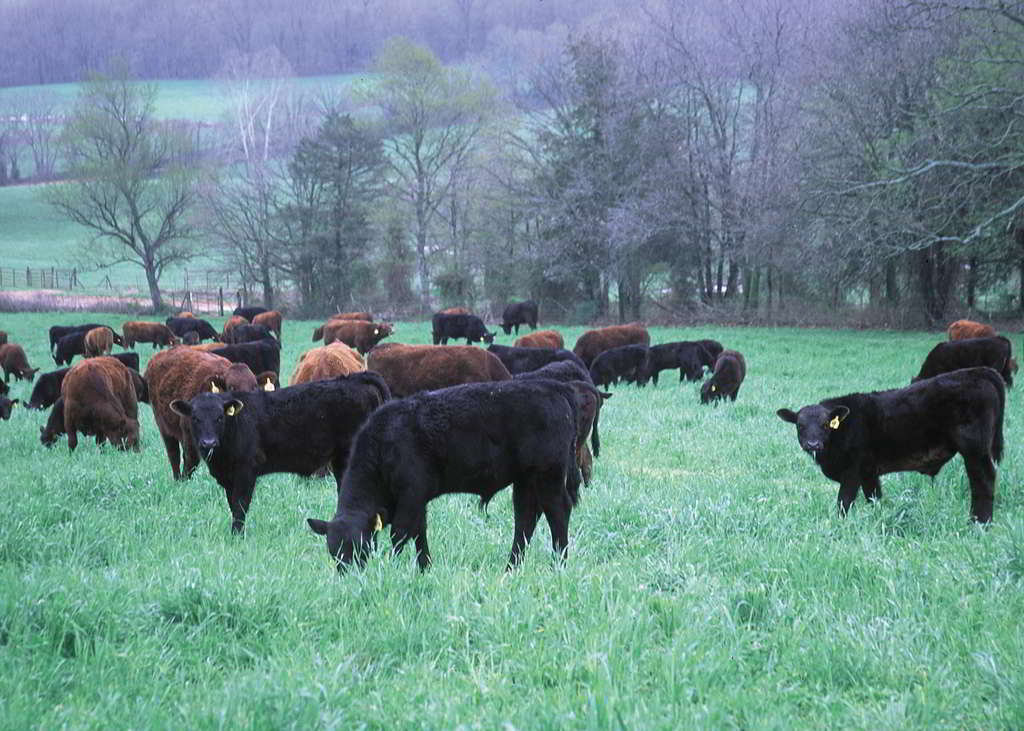
- Extensive livestock farming: capital investment is limited and productivity low. The livestock is mostly cattle and sheep and grazes on large pasture in the open air.
 2.
2.

FOOD AND LIVESTOCK METHODS
- Grazing livestock when animals are fed on grass.

- Confined livestock animals are kept in sheeds and eat feed.
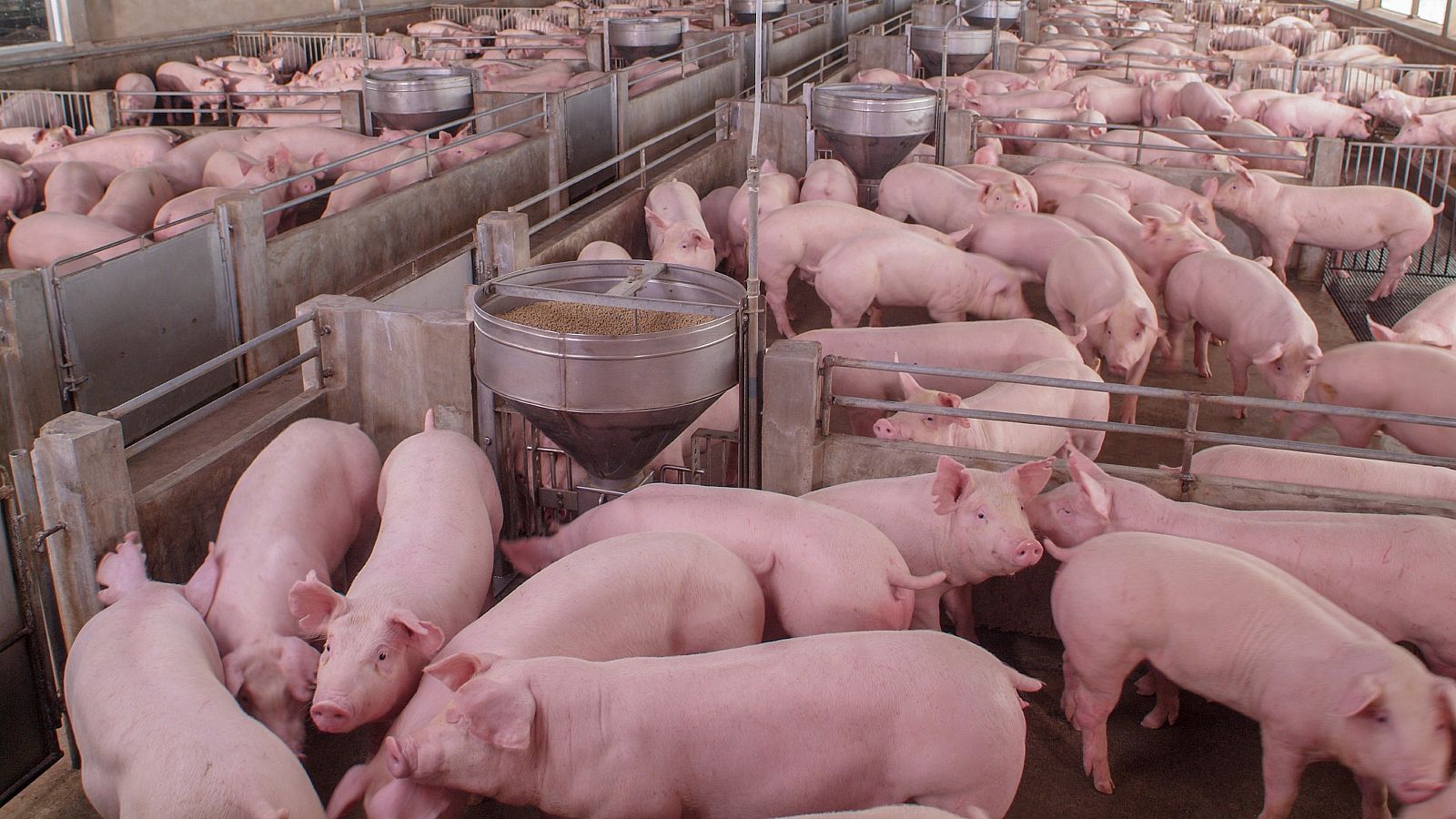
- Semi- confined livestock in summer animals eat grass when there is not enfough grass they eat feed.

MOBILITY OF LIVESTOCK
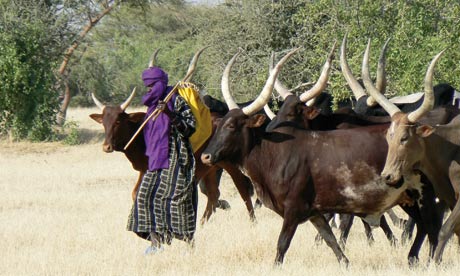
+ Nomadic herding : herders and their families are constantly moving in search of good pasture.
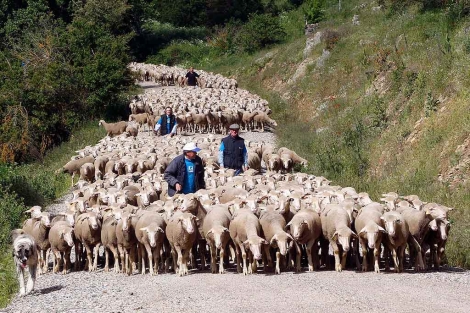
+ Transhumance or seasonal migration of livestock: herders move their animals several times a year between winter and summer pastures.
+ Sedentary livestock farming animals do not move around to obtain food as farmers give them feed.

 3travellingacrosstime